The internet was never
built for children.
Now AI is writing it.
We are building the one that is.
Halo is the guardian layer for the people and AI agents building digital products for children. It reviews the code as it's written, catching what could harm a child and recommending what to build instead, so what reaches them is not just safe and compliant, but good for how they grow.

Children spend more time on screens that were not designed for them.
More of that time now goes to apps, games, and AI companions than to classrooms or the people around them. And we are already seeing the effects.
Many of these platforms were built for engagement, rarely informed by child development or the rules meant to protect kids.

The window to act is now.
The rules that protect children online were written before AI existed.
As a mental and behavioral health crisis deepens among kids raised on screens, governments worldwide are racing to regulate technology that changes every day.
The laws are moving. AI is moving faster, building more of what reaches children than anyone can check for safety.
Enforcement is here, and the responsibility is moving downstream, toward every developer and every AI agent building products children touch.

One future protects children. One doesn't.
AI keeps building the internet, unchecked. Regulators arrive years too late, writing rules for harm that already happened. The screen-time crisis deepens, and the damage compounds quietly. The ones who lose are our children.
Every product a child touches is checked at the source. The people and the AI building for children are held to a standard, and held to it from the very first line of code. The ones who win are the children, and everyone who chose to build for them.

Every change, reviewed before it reaches a child.
The safest place to stop harm is in the code, before it ever becomes product. That is why Halo lives in the pull request: it catches harmful code and design patterns, and recommends what to build instead, in language any builder or AI agent can act on.
12 async function registerChild(profile) { 13 const user = await db.create({ 14 birthDate: profile.dob, // collected pre-consent 15 deviceId: getDeviceId(), 16 }); 17 analytics.track("signup", user.id); 18 adSdk.init({ targeting: true }); 19 return aiCompanion.greet(user); 20 }
deviceId stored on a child profile without stated purpose.A few things matter most at this age:
Keep it short. A 7-year-old's focused attention runs about 15 to 20 minutes. Design an onboarding they can finish in one sitting.
Go easy on rewards. Streaks and surprise prizes that hook adults can over-stimulate kids. Celebrate effort, not time spent.
Bring a grown-up in early. Make parent setup part of onboarding: consent, time limits, and what you collect, in plain words.
HALO · Developmental Design SuggestionComponent: AudioManager.js For users aged 6 to 10, consider ambient audio that adapts to time of day. High-stimulation soundscapes after 7pm correlate with delayed sleep onset in this age group. Suggestion: implement circadian-aware audio profiles → audioConfig.setMode('circadian', userAge, currentHour)
COPPA, GDPR, the UK Children's Code, and the rules that keep changing are Halo's to track, not yours.
The Halo mark shows users, partners, and platforms that you built for children the right way, on purpose.
Halo is being built for local-first review and secure handling of sensitive code and child-related data.
Built for the people and AI agents engineering for children.
Halo's users are the engineers, product teams, and AI agents writing the code behind kids' apps, games, media, and AI products.

The standard serves everyone with a stake: parents and institutions who need proof, regulators and platforms who need a standard to point to, and investors backing the infrastructure beneath it.
Halo reads software code and catches what could harm a child.
Halo is being hardened through controlled beta infrastructure.
Safeguards across child-safety, privacy, AI, and behavioral-risk patterns.
Accuracy in internal evaluation on validated benchmark slices.
Flags real issues, stays quiet on clean code, and suppresses duplicate noise.
Early access for builders and design partners.
No framework asks whether the AI is safe for a child. Halo does.
Every framework tells you what data to protect. None tell you whether the AI inside your product is safe for a child to be with. That gap is what Halo is built for.
Halo is building a living knowledge base of the design patterns that harm children, and it gets smarter the longer you use it. Tell it the intent behind your code, and it remembers, so its judgment sharpens and false alarms drop over time.
An example. Your team tells Halo why the code does what it does, and Halo keeps it.
Each of these is a way a product or its AI can harm a child that no compliance framework checks. This is the layer Halo is built for.
The trust mark for children and screens.
The strongest standards do not become mandatory because a regulator requires them. They take hold through demand, the way security certifications did. The opportunity is for platforms, buyers, and regulators to converge around a visible mark for child-safe products, and for parents to learn to look for it.
In an age where AI sits between every child and every screen, the Halo mark becomes a shared layer of trust that did not exist before. Engineers get a clear standard to build toward, regulators get an independent reference point, and society gets a visible signal that a product was made to protect children, not exploit them.
"We built this with Halo."
The mark that means a product was built with intention.
Protect a generation
growing up on screens.
Our mission: make every digital product a child touches safe, compliant, and built for how kids develop. A portion of revenue from Halo supports the Mindful Media Foundation, our 501(c)(3) nonprofit researching the screen-time crisis, so the work compounds into larger impact for the children, families, and communities that need it.


We are assembling the team children deserve.
Halo brings together leading experts across the disciplines that define what safe means for a child, and amplifies their insight with agentic intelligence. The science that knows what helps or harms a child becomes the standard Halo enforces.
If building the standard for child-safe digital products is the work you want to do, we want to hear from you.
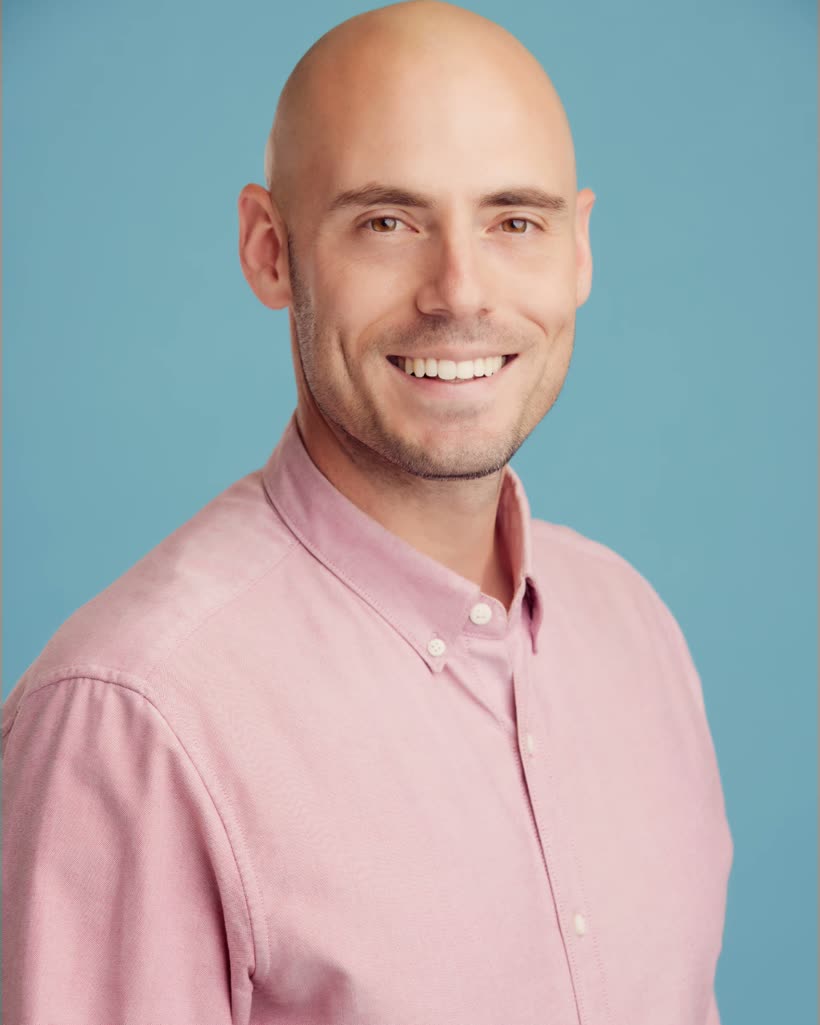
Bobby Alexis is the Founder & CEO of Halo and the Executive Director of Mindful Media. He spent 15+ years in the rooms where some of the most influential technology and media platforms were built, the ones that dominate attention today. He helped create parts of that world, and what he saw did not sit right with him: products optimized for engagement, with children treated as users rather than kids.
Halo is his response. A guardian layer that holds the people and the AI building for children to a standard from the very first line of code, so the next generation of products is built to protect kids, not exploit them.
Back the work that protects a generation.
Halo's work is supported two ways: by the Mindful Media Foundation, a 501(c)(3) addressing the screen-time crisis through ethical media and technology, and by private investors building toward AI that protects children and helps families grow.
A 501(c)(3) tackling the screen-time crisis through ethical media and technology. Contributions fund the research and advocacy behind the standard, and are tax deductible.
Contribute todayBack the infrastructure that decides whether the AI era is safe for children. We are raising now, and want to talk with investors who put children first.
Request InformationContributions to the Mindful Media Foundation are tax deductible. An investment in Halo is a private securities transaction, not a charitable gift, and is not tax deductible. Nothing on this page is an offer to sell or a solicitation of an offer to buy securities.
If you are developing for children, investing in what protects them, or this is the work you want to do, there is a place for you here.